Cooking tempering boiling complete spices
Whole spices may be prepared in various different ways depending on the dish being cooked, and each and every method, roasting, tempering, and boiling, generates a distinctly distinct flavor outcome. Comprehending these differences helps explain why the particular same spice can easily taste noticeably various depending on just how it is handled in the course of cooking. Roasting involves exposing whole seasoning to dry heat, typically in a pan without any oil or even liquid. This technique works by gradually heating the spice right up until its natural natural oils become more volatile, publishing a powerful, often mad or slightly smoky aroma. Roasting is definitely commonly employed for spices like cumin, coriander, and fennel seed products, particularly when they can be meant to get ground afterward in to a fresh, aromatic powder for instant use. The dry out heat in roasting tends to produce deeper, more concentrated flavor notes in contrast to while using identical spice raw, due to the fact the absence involving oil or normal water allows the piquancy to achieve higher surface area temperatures relatively quickly. 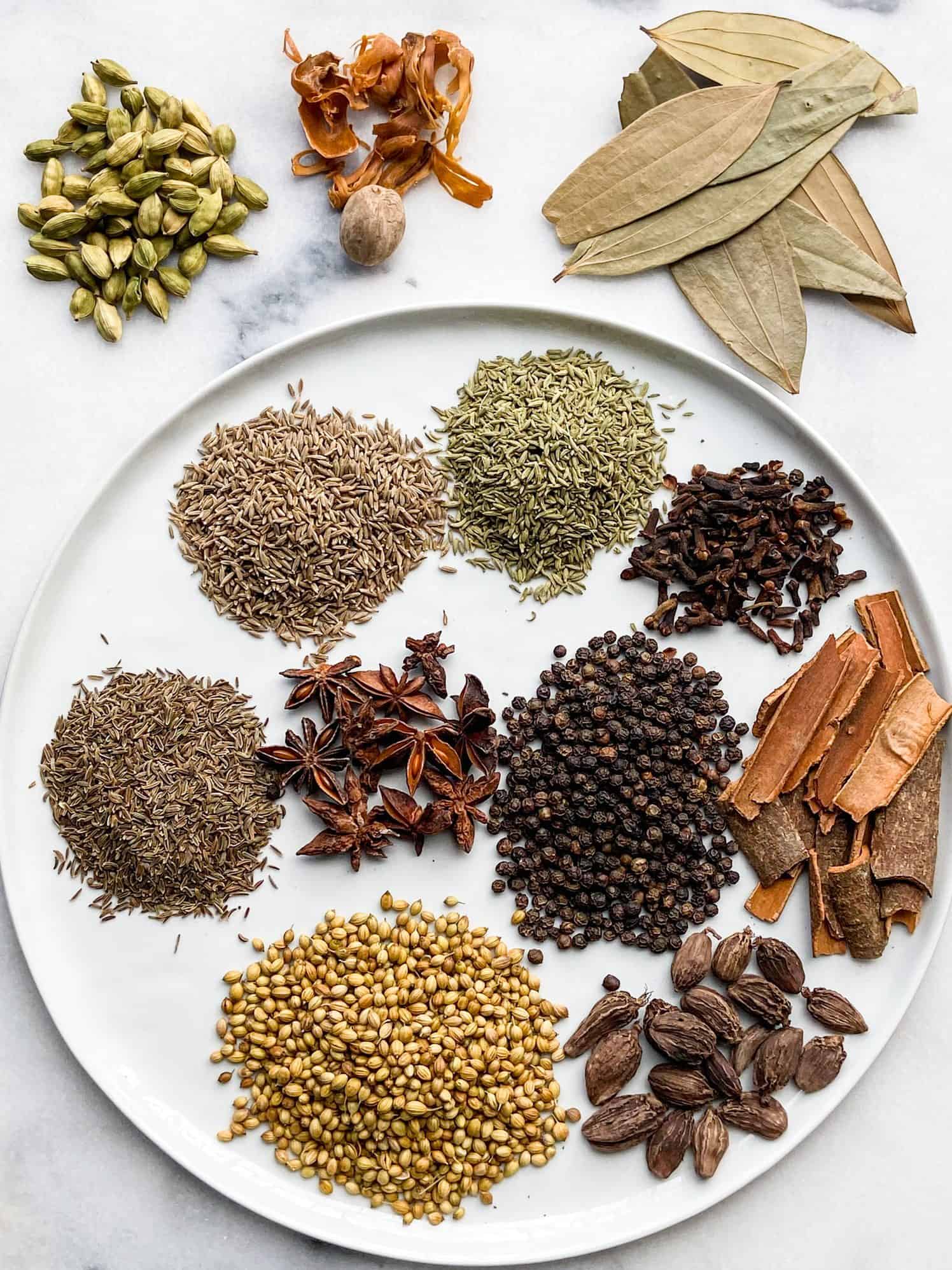 Tempering, on the other hand, involves adding whole seasoning straight into hot petrol or ghee, generally as a possible early or even final step inside cooking a food. Unlike roasting, tempering combines heat together with fat, that allows fat-soluble aromatic compounds inside the spices to be able to dissolve directly straight into the oil. This particular makes a flavored essential oil base that then infuses the whole dish once blended in. Tempering commonly happens quickly, usually within seconds to a couple of a few minutes, and is commonly used for spices such as mustard seeds, cumin, and dried crimson chilies at the particular start of setting up dals, curries, or vegetable dishes. Preparing food whole spices can take a different approach entirely, relying in water rather compared to dry heat or even oil. This technique is frequently used each time a milder, more gradual removal of flavor is usually desired, for example whenever preparing spiced teas, kadha, or particular broths. Boiling tends to extract water-soluble ingredients more effectively as compared to fat-soluble ones, which is why cut spice preparations often times have a lighter, even more subtle flavor when compared to intense burst developed through tempering. traditional whole spices is particularly common intended for spices like cinnamon, cloves, and cardamom when preparing warm beverages meant to be able to be sipped slowly. The choice among these three approaches often depends in the specific result a dish needs. Roasting is usually preferred when a deep, concentrated taste is needed with regard to grinding into a spice blend, given that the dry warmth develops complexity that will translates well directly into a fine dust. Tempering is perfect for dishes wherever a quick, intense burst of fragrant oil is desired to develop a tasty base at the beginning or perhaps end of food preparation. Boiling suits scenarios where a considerably more gentle, extended extraction is preferred, particularly for beverages or lighter in weight preparations where a subtler spice occurrence is desired. Merging these methods within just a single plate is also popular in many standard recipes. For illustration, a curry may well begin with tempering whole spices throughout oil to build a primary flavor bottom, followed later simply by a slow simmer where additional whole spices are included directly to the liquid, allowing for both an intense initial burst regarding flavor plus an extra gradual infusion because the dish proceeds cooking. Recognizing these kinds of differences allows home cooks to help make more intentional selections about how they work with whole spices, somewhat than defaulting to some single method regardless of dish. Understanding if you should roast, temper, or boil whole seasonings ultimately leads to more thoughtful baking, where each method is applied established on the specific flavor outcome some sort of dish is designed to achieve.